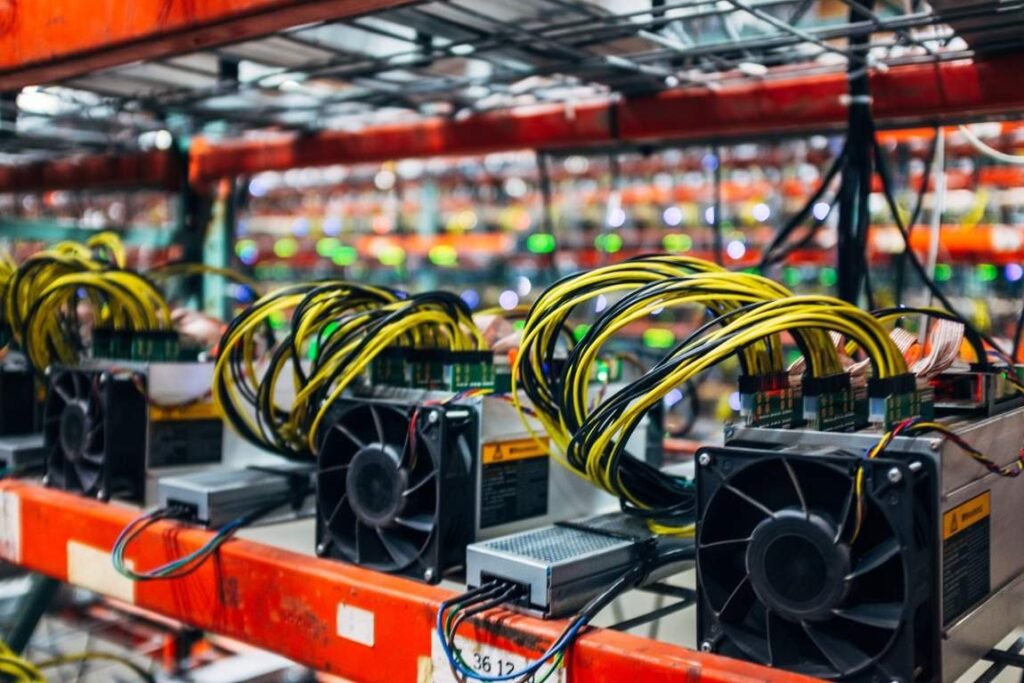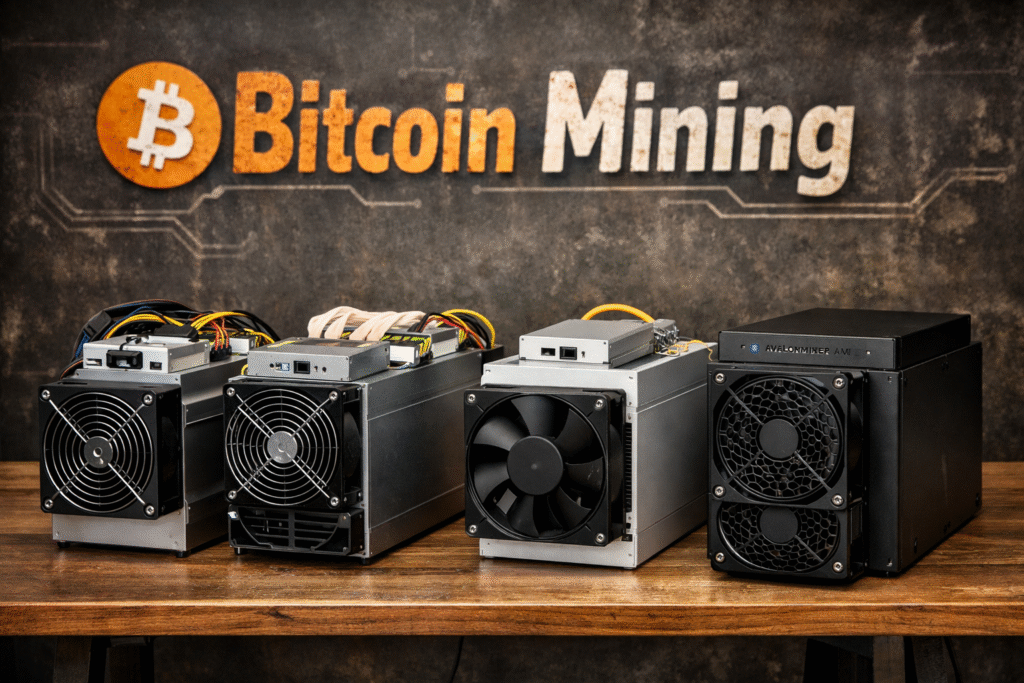

As global energy systems evolve—with the rise of renewables, flexible loads, and grid balancing—governments are starting to view crypto-mining not just as an energy consumer but as a strategic partner. Mining operations possess unique characteristics that make them well suited to stabilize power demand, support renewable integration, and add resilience to grids. Here’s how this trend is unfolding, what it means for miners and hosts, and how companies such as Bitmern Mining are positioned in that dynamic.
1. Mining as a Flexible Energy Load
Mining rigs operate on a fully digital basis and can modulate their power consumption rapidly. When electricity is abundant and cheap—such as during high wind or solar generation—they can ramp up. When the grid is under stress or demand surges, they can curtail operations. This flexibility allows them to act as a demand-response resource.
For example, grid operators in some regions already pay large industrial users to reduce load during peak periods. Mining fits that role well. Studies show that by participating in these mechanisms, mining operations can relieve grid stress without requiring the same infrastructure fixes as other loads.
Additionally, an article from Bitmern’s site notes that energy policy (especially in hosting mining) is increasingly shaped by how mining interacts with power costs and grid conditions.
2. Supporting Renewable Energy & Reducing Waste
As renewable generation grows, so does the challenge of intermittency and curtailment (when excess power goes unused). Mining operations located near renewable generation can absorb that surplus, turning what would otherwise be wasted into value. This improves the economics of clean energy and encourages further investment in renewable capacity.
Governments and utilities recognise this advantage: mining can bridge the gap between energy generation and consumption, and provide a market-based load that aligns with renewable fluctuations. One news article highlights how the European Union is considering mining for grid stability purposes.
3. Strategic Government & Policy Implications
Governments can incorporate mining into energy policy and grid-planning in several ways:
- Incentive Structures: Tax breaks or power-rate incentives for miners that use surplus renewable energy or participate in grid-balancing programs.
- Demand-Response Contracts: Mining companies contract with grid operators or utilities to serve as flexible load — ramping down when the grid is stressed, ramping up when there’s excess.
- Energy Infrastructure Investment: By hosting miners near under-utilised generation assets (remote hydro, wind, solar), governments can unlock value from latent power capacity and accelerate energy development.
- Regulatory Alignment: Governments might grant mining operations status as “grid-asset providers” rather than just big power consumers, which changes how regulations and tariffs apply.
These approaches highlight a shift: mining is moving from being seen as a purely energy-intensive activity to a strategic energy partner.
4. What It Means for Miners & Hosts (Including Bitmern)
For miners and hosts, this alignment with energy policy offers several benefits—but also responsibilities.
Benefits
- Better access to low-cost power if the host qualifies under demand-response or renewable-surplus schemes.
- Potential for improved site deals or subsidies when the mining operation contributes to grid stability.
- Stronger long-term viability: mining models that integrate with energy systems are likely to be more resilient as margins tighten.
Responsibilities
- The operational model must align with grid needs: e.g., be able to ramp capacity, monitor grid signals, participate in curtailment events.
- Transparency in power sourcing, responsiveness to grid events, and adherence to contracts.
- Infrastructure readiness: remote monitoring, control systems, efficient hardware, cooling and logistics must all support flexibility.
Bitmern’s emphasis on low-cost power sites, efficient operations, and transparent hosting positions it well to participate in these government/energy-system roles.
5. Looking Ahead: Mining’s Role in National Energy Strategy
In the coming decade:
- Mining may increasingly be built into national energy and industrial policy, especially in countries with large renewable potential or surplus capacity.
- Grid operators will value mining as a controllable load, akin to large industrial consumers—but with digital responsiveness.
- Hosts and miners who can respond to grid signals, integrate with renewable generation, and provide verifiable performance will be at an advantage.
- Governments may differentiate between miners that contribute to grid stability vs those that impose heavy loads—favoring the former in policy and regulation.
Final Thoughts
Mining is no longer just about hashes and hardware—it’s increasingly about energy systems, grid dynamics, and strategic partnerships. Governments around the world are realising that mining can be a tool to stabilize power demand, optimise renewable usage, and support infrastructure investment. For miners and hosts like Bitmern, aligning with this opportunity not only supports profitability but positions you for the future of energy-and-crypto integration.