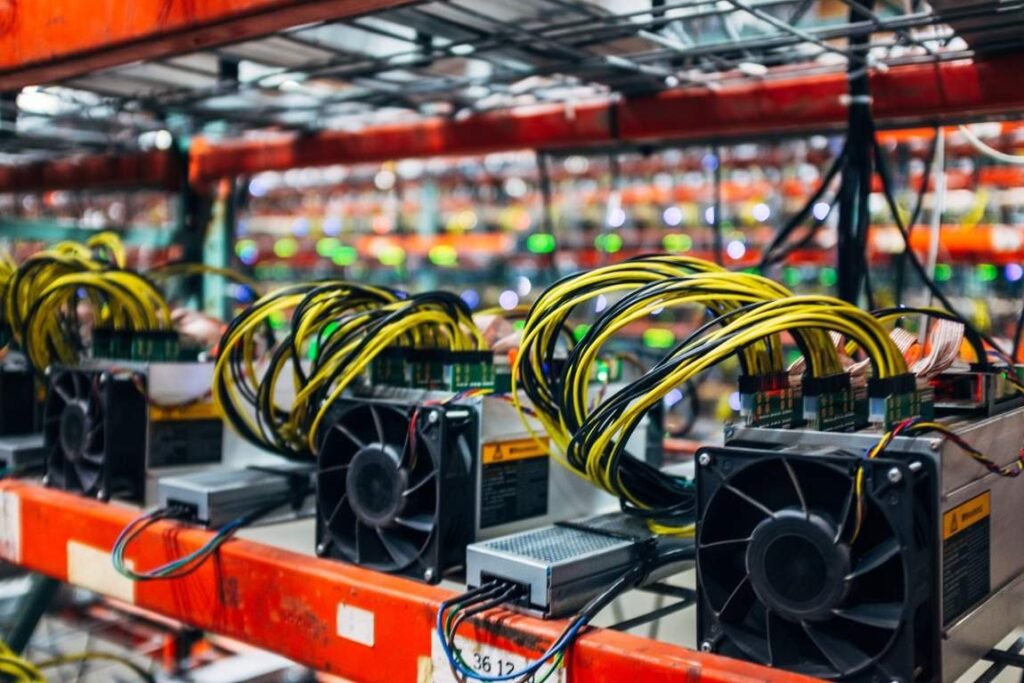
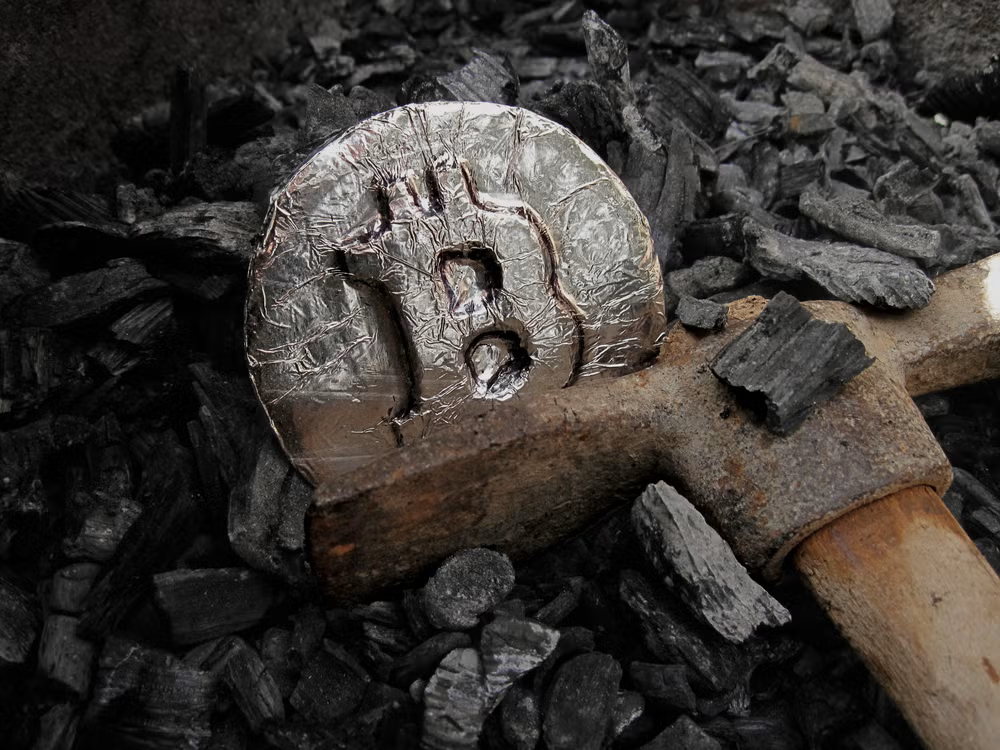
In the world of Bitcoin mining, location isn’t just about power cost and cooling—it also hinges on political stability, regulatory clarity, and infrastructure reliability. For hosted mining operations and miners alike, sites in countries with shifting policy, unrest, or regulatory uncertainty can pose hidden risks. Below, we explore how political instability affects mining hotspots, why it matters to your returns, and how companies like Bitmern Mining manage risk by choosing their host locations carefully.
Why Political & Regulatory Stability Matter for Mining
Mining operations rely on predictable conditions: uninterrupted power, solid infrastructure, clear contracts, and minimal disruption. Political instability pokes holes in each of these. Some key vulnerability points:
- Regulatory changes or bans: Sudden shifts in government policy—such as mining bans, tariffs on imported hardware, or increased energy costs—can render operations much less profitable or force relocation.
- Infrastructure risk: Civil unrest, conflict or weak governance can disrupt grid power, internet connectivity, or supply chains for replacement parts—leading to increased downtime.
- Contract enforcement & property rights: Mining hardware is expensive. If a host country lacks strong rule of law or has unstable licensing regimes, mining contracts may become unenforceable.
- Energy policy risks: Governments may reallocate electricity use, raise rates, or change export/import rules in response to political or economic pressure.
- Geographic concentration: Over-reliance on one region means a single political event can significantly impact uptime or operational cost.
For example, research on Sub-Saharan Africa shows that political and security risks (kidnappings, militant activity, inconsistent regulation) are meaningful obstacles to extractive operations.
Examples: Mining Hotspots with Political Risk
Here are a couple of cases that illustrate the risks:
- Ethiopia: Ethiopia has abundant hydroelectric power and hosts mining operations, which is attractive for the low cost. But the country also faces internal conflicts and regulatory uncertainty, which can affect energy and infrastructure reliability. The location is mentioned by Bitmern as one of their site choices.
- Other emerging regions: A report lists many countries where mining growth is promising, but warns that “political instability and policy shifts pose risks to long-term operations.”
These show that while a country may offer cheap power or good climate, the political risk premium must be factored in.
How Instability Can Impact Mining Economics
Here’s how instability concretely affects mining returns:
- Increased downtime: Outages due to infrastructure breakdown or unrest reduce hashrate contribution and earnings.
- Unplanned cost increases: Sudden power-rate hikes, hardware import duties, or energy curtailments eat into margins.
- Hardware stranded risk: Equipment may become unavailable for maintenance or relocation if the region becomes inaccessible.
- Contract risk: Host providers may not be able to honour SLAs, compensation or transparency commitments if affected by local issues.
For hosted-mining clients, such risks can convert from theoretical to real losses.
How Bitmern Mitigates These Risks
Bitmern uses several strategies to reduce exposure to political/regulatory risk:
- Location Diversification: They choose multiple host locations (e.g., Ethiopia and U.S.) rather than a single region, reducing geographic concentration risk.
- Selecting Jurisdictions With Better Infrastructure & Legal Frameworks: The U.S. location offers the advantage of regulatory clarity, mature power grid, and stronger contract enforcement.
- Transparent Terms & Client Communication: Clear hosting contracts, uptime guarantees, and dashboards help clients monitor performance and potential disruptions.
- Focus on Low-Cost Renewable Energy Sites: By locating mining operations where power is not only cheap but stable (e.g., hydroelectric in Ethiopia), they build a buffer against sudden cost escalation.
- Active Monitoring of Regulatory Environment: Being able to anticipate policy shifts allows the operator to plan mitigation (e.g., relocate hardware, scale down temporarily) rather than be reactive.
What Miners Should Do When Evaluating Host Locations
If you’re planning to host miners or allocate funding to mining infrastructure, here are important questions to ask:
- What is the country’s political risk rating? Are there signs of regulatory unpredictability?
- How stable is the power grid and internet connection in the target region? What is historical uptime and outage record?
- Are there clear laws protecting foreign investment, customs/import duties for hardware, and contract enforcement?
- Does the host provider have multiple geographic sites or are they locked into one region?
- What is the contingency plan for hardware relocation, power curtailment, or regional instability?
- Are you getting real-time transparency into performance, power costs, and potential disruptions?
Final Thoughts
Mining profitability depends on many technical factors—hashrate, efficiency, power cost—but the macro backdrop of political and regulatory stability is often underestimated. Without stable governance, even a location with ultra-low power cost can become a risky bet. Providers like Bitmern show how careful site selection, legal/regulatory alignment, diversified infrastructure, and strong transparency help mitigate those risks. As a miner or investor, you’ll do well to include political risk as a critical variable alongside technical specs.