
Table of Contents
Introduction: “Industrial hosting” has become a marketing label
Industrial bitcoin mining hosting is one of the most abused terms in the mining industry today. Nearly every hosting provider uses it, yet very few operations actually meet the standards that justify the label.
Warehouses with containers, basic racks, and cheap electricity are often presented as industrial-scale facilities. In reality, true industrial bitcoin mining hosting is defined by infrastructure depth, operational discipline, and long-term survivability, not by square meters or marketing slides.
For investors, misunderstanding this difference is costly. The gap between advertised “industrial hosting” and actual industrial-grade operations is where uptime disappears, costs leak, and hardware degrades faster than expected.
This article explains why not all industrial hosting is truly industrial, how to spot the difference, and why serious operators build hosting environments designed for scale, not just deployment.
What “industrial” actually means in bitcoin mining
In traditional industries, the word industrial has a precise meaning. It implies engineered systems, redundancy, predictable performance, and professional operations at scale. Bitcoin mining is no different.
True industrial bitcoin mining hosting includes:
• Purpose-built electrical infrastructure
• Engineered cooling and airflow design
• Professional monitoring and response systems
• Redundancy across power, networking, and operations
• Operational procedures that prioritize uptime over speed
If one of these pillars is missing, the hosting may function, but it is not industrial.
For mining fundamentals and global industry context:
https://bitcoin.org/en/bitcoin-paper
The container myth
One of the biggest misconceptions in mining is that containers equal industrial hosting.
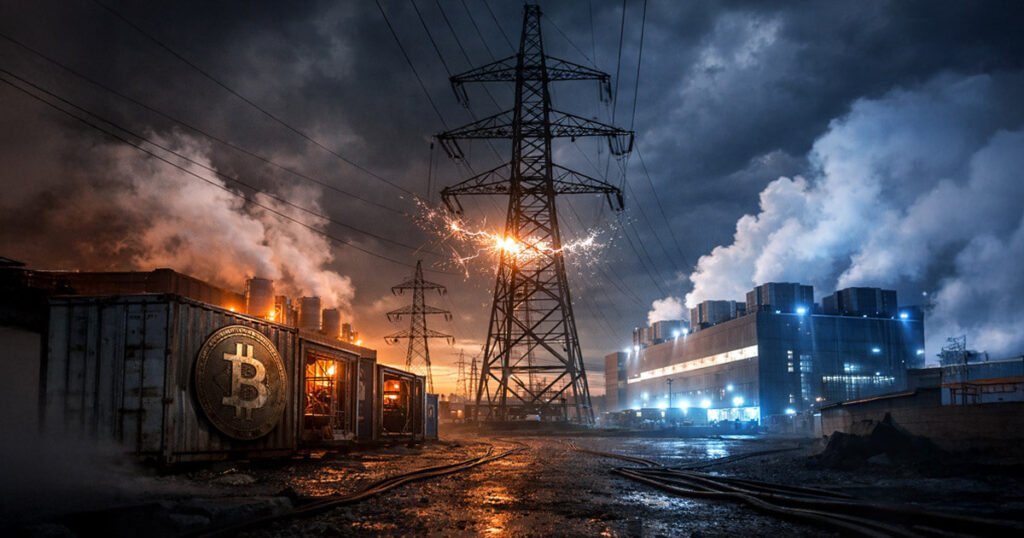
Containers are deployment tools, not infrastructure. They allow fast setup and portability, but without supporting systems they simply concentrate problems.
Common container-only issues include:
• Thermal hotspots
• Uneven airflow across racks
• Higher fan wear and ASIC stress
• Limited maintenance access
• Power instability under load
Containers can be part of an industrial setup, but without engineered electrical, cooling, and monitoring layers, they remain a shortcut, not a solution.
Electrical infrastructure separates real facilities from marketing setups
Electricity is the foundation of mining. Industrial bitcoin mining hosting starts with how power is delivered, distributed, and protected.
Non-industrial setups often rely on:
• Single-feed transformers
• Minimal load balancing
• No surge or fault isolation
• Limited redundancy
Industrial-grade hosting includes:
• Dedicated substations or industrial-grade feeders
• Proper load distribution across phases
• Fault isolation to prevent cascading shutdowns
• Surge protection and monitoring at the rack level
Without this, even cheap electricity becomes expensive through downtime and hardware damage.
Cooling is not air conditioning
Cooling is the most misunderstood part of mining infrastructure.
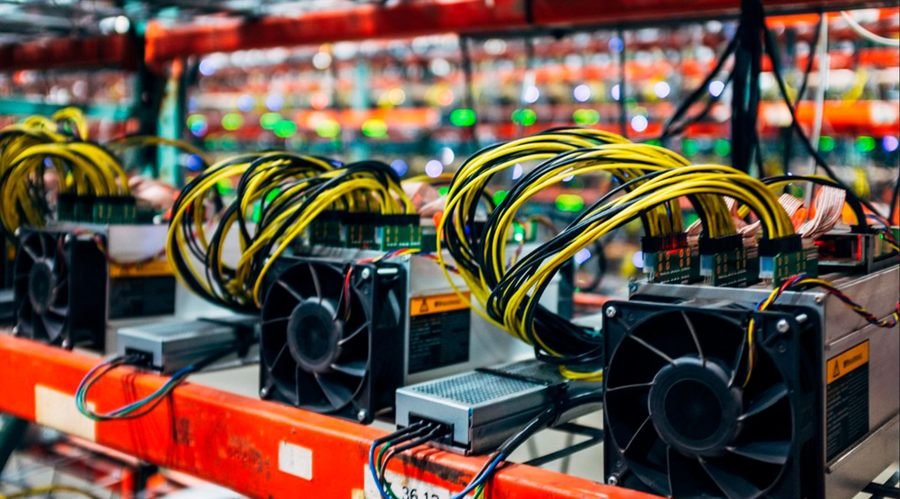
Many providers claim industrial hosting because they use fans or air conditioning. This ignores how thermal management actually works in high-density mining environments.
Industrial cooling focuses on:
• Controlled airflow direction
• Heat extraction efficiency
• Ambient temperature management
• Consistent inlet temperatures across miners
Poor cooling doesn’t just reduce hashrate. It increases error rates, accelerates component wear, and shortens ASIC lifespan.
Professional facilities design cooling as a system, not an afterthought.
Monitoring defines professionalism
Industrial bitcoin mining hosting is measurable.
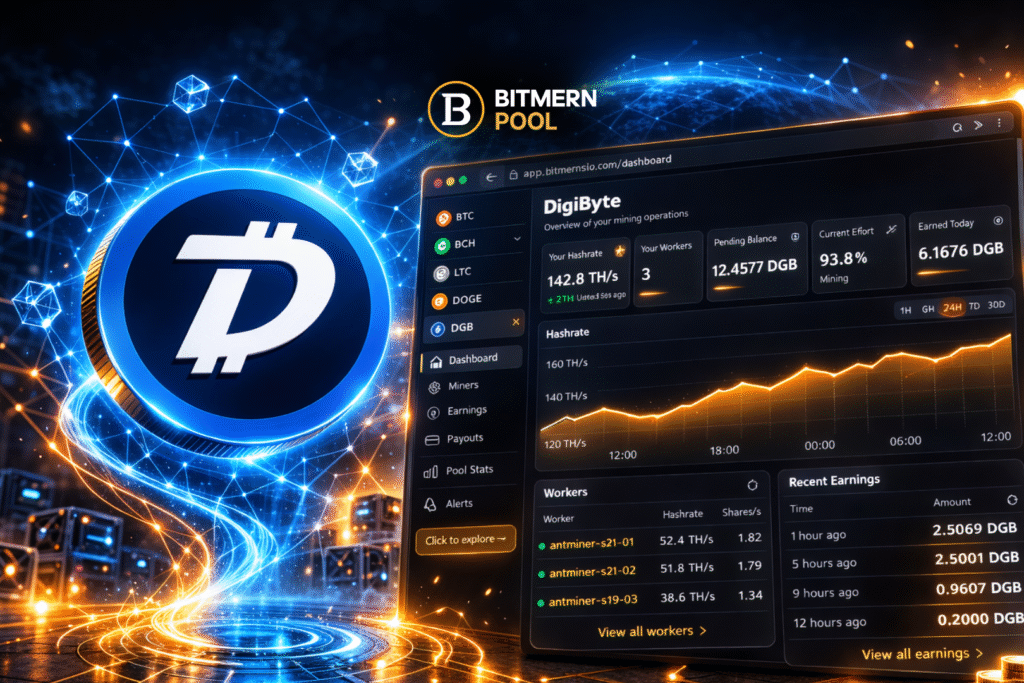
If a provider cannot show real-time data on uptime, temperature, power draw, and hash performance, operations are reactive, not professional.
Industrial-grade facilities operate with:
• Continuous hardware monitoring
• Alert systems for thermal and electrical anomalies
• Predictive maintenance workflows
• On-site teams with defined response times
Without this, problems are discovered too late, usually by investors checking dashboards rather than operators fixing issues.
Staffing is infrastructure
Another hidden difference between real industrial hosting and surface-level operations is staffing.
Non-industrial operations often depend on:
• Remote-only support
• Limited on-site presence
• Slow response times during failures
True industrial bitcoin mining hosting includes:
• On-site technical teams
• Defined escalation procedures
• Preventive maintenance schedules
• Hardware handling protocols
Machines don’t fail on schedules. Teams must be present when they do.
Why scale exposes weak hosting fast
Many hosting setups work at small scale. Problems appear when operations grow.
Scaling exposes:
• Electrical bottlenecks
• Cooling limitations
• Network instability
• Maintenance delays
Industrial hosting is designed to scale from day one. It assumes growth, not perfection at low load.
Facilities that break under scale were never industrial to begin with.
Why investors misjudge hosting quality
Investors often focus on electricity price per kWh. This is understandable, but incomplete.
Real hosting cost includes:
• Uptime losses
• Hardware degradation
• Maintenance delays
• Missed production during peak difficulty periods
A slightly higher hosting rate in a real industrial facility often produces higher net returns than cheaper hosting in fragile environments.
How Bitmern approaches industrial bitcoin mining hosting
Bitmern’s hosting model is built around operational durability, not marketing claims.
Facilities are designed with:
• Stable power distribution
• Engineered cooling systems
• Continuous monitoring
• On-site operational teams
• Hosting structures built for scale
This approach prioritizes consistency and long-term output over headline electricity pricing.
Hardware sourcing matters just as much
Even the best hosting fails if hardware quality and sourcing are unreliable.
This is why Bitmern integrates hosting with hardware sourcing through the Bitmern Shop, allowing clients to deploy miners that match infrastructure capacity.
Hardware sourcing: https://shop.bitmernmining.com
Industrial hosting solutions: https://bitmernmining.com

Conclusion: Industrial is not a label, it’s a system
Industrial bitcoin mining hosting is defined by systems, not words.
Facilities that cut corners may operate, but they don’t endure. True industrial operations are built to survive difficulty increases, market cycles, and scaling stress.
For investors, understanding this difference is not optional. It is the difference between steady production and constant surprises.