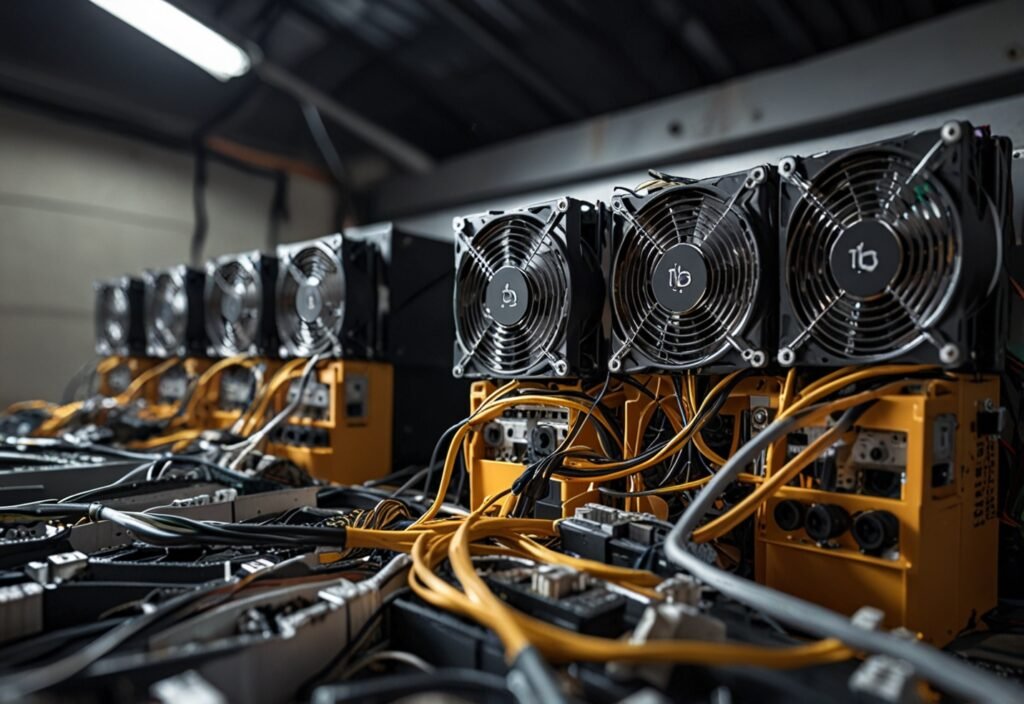
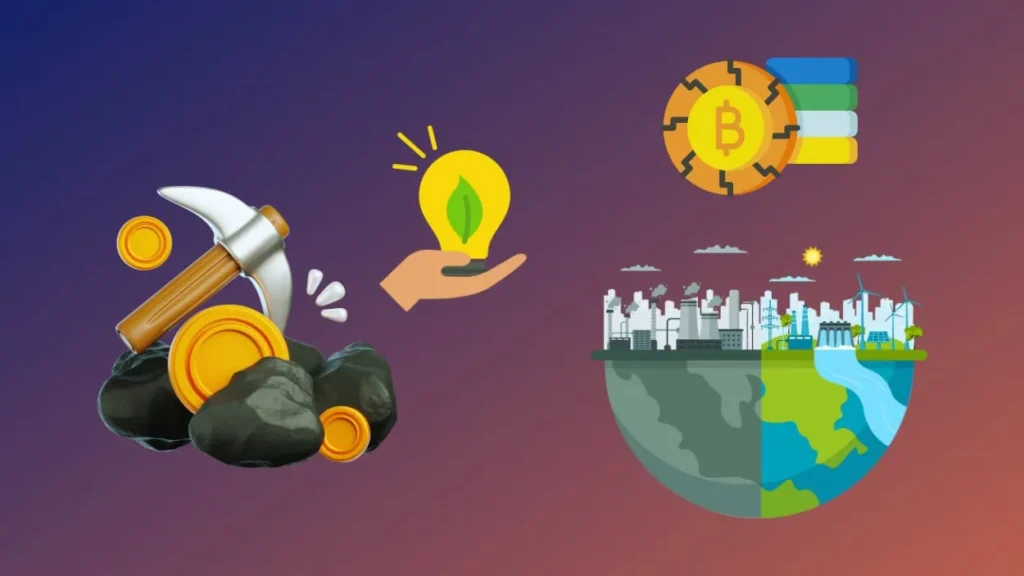
Bitcoin mining has always been shaped by one powerful factor: location.
Access to cheap energy, political stability, renewable infrastructure, and clear regulation determine which nations dominate the global hashrate map.
Over the past decade, mining has migrated from China to North America, from Kazakhstan to the Middle East, and now, increasingly, to Africa and Latin America. But as we look ahead to 2035, a new question emerges:
Which country will become the next global mining superpower?
The Global Mining Landscape Today
The current mining scene is led by the United States, which hosts roughly 35–40% of global hashrate thanks to industrial-scale operations, renewable integration, and access to financial capital.
Other strong contenders include Russia, Kazakhstan, Canada, and emerging hubs like Ethiopia and El Salvador, which have rapidly positioned themselves as crypto-friendly environments.
But global power dynamics are shifting and by 2035, the winners will be those that combine cheap energy, political vision, and sustainable infrastructure.
The Rise of New Contenders
1. Ethiopia – The Renewable Powerhouse of Africa
Ethiopia is already gaining global attention for its combination of low-cost hydroelectric power, stable energy supply, and increasing government openness toward mining.
Bitmern’s own facilities in Ethiopia highlight why the country could play a decisive role in the next decade:
- Abundant renewable energy from the Grand Ethiopian Renaissance Dam (GERD)
- Energy rates up to 70% lower than global averages
- Strategic geographic position for digital infrastructure growth
- Political alignment toward technology and industrial expansion
If investment continues and digital infrastructure expands, Ethiopia could become Africa’s mining hub and one of the top five global players by 2035.
2. The United States – Infrastructure and Institutional Capital
The U.S. remains a global leader due to its mature energy markets, innovation, and legal clarity.
States like Texas, Kentucky, and North Dakota are becoming long-term mining strongholds, particularly with the growth of AI data centers and shared energy infrastructure.
However, the U.S. will need to balance environmental policy, regulatory oversight, and energy demand from other industries to maintain its edge.
3. Latin America – Regulation and Innovation
Countries like El Salvador and Paraguay are leveraging geothermal and hydroelectric energy for mining, backed by pro-Bitcoin regulation.
Their smaller scale today could evolve into large-scale, sovereign-level operations as the global hashrate decentralizes.
The Decisive Factors That Will Shape 2035
By 2035, the top mining nations will be determined by five key variables:
- Energy Cost and Stability – Cheap, renewable energy is the foundation of competitiveness.
- Political and Regulatory Clarity – Nations that embrace mining as a legitimate industry will attract capital faster.
- Infrastructure and Grid Modernization – Efficient cooling, data routing, and AI-integrated monitoring will separate leaders from laggards.
- Sustainability Goals – As the world moves toward carbon neutrality, renewable-driven mining will dominate the narrative.
- Digital Sovereignty – Countries will increasingly see mining not only as a profit tool but as a pillar of digital independence and innovation.
Bitmern’s Perspective: Where the Future Is Being Built
At Bitmern, this global shift is already happening on the ground.
Operating across Ethiopia and the United States, Bitmern is helping shape two complementary models of the future:
- Ethiopia: Renewable-driven mining with unmatched energy efficiency.
- U.S.: Institutional-grade hosting and regulatory stability.
This dual presence reflects the future of mining decentralized, diversified, and globally integrated.
So… Who Will Lead by 2035?
If the trend continues, the next global mining superpowers may not be a single country, but a coalition of renewable energy nations linking Africa’s hydro, America’s innovation, and Asia’s engineering.
Ethiopia stands out as a top contender not only because of its energy advantage, but because of the new economic vision forming around Bitcoin and blockchain infrastructure.
In short:
- The U.S. will remain a technological anchor.
- Ethiopia will emerge as the sustainable growth leader.
- The Middle East will become the next major energy partner.
Together, these regions will redefine the global mining map by 2035.
Final Thoughts
Bitcoin mining is entering its next era one defined not by cheap fossil fuels, but by renewable energy, AI-enhanced infrastructure, and visionary governments.
As the competition for global hashrate intensifies, one truth stands clear:
The nations that treat mining as strategic digital infrastructure not just an energy consumer will lead the next decade.
And Bitmern is already helping to build that future.
Learn more about global hosting, sustainability, and investment opportunities at BitmernMining.com