Table of Contents
Cable quality high density mining racks is one of the least discussed but most decisive factors in modern Bitcoin mining infrastructure. While most miners focus on hashrate, ASIC efficiency, or electricity pricing, the physical layer that connects power and data often determines whether a mining operation runs profitably or quietly bleeds revenue.
As mining density increases and racks move from small-scale setups to industrial environments, cable quality becomes a limiting factor for uptime, safety, and scalability. Poor cabling does not fail loudly. It fails gradually, through heat buildup, voltage instability, random shutdowns, and increased maintenance events.
In high-density mining environments, cables are no longer passive components. They are load-bearing infrastructure.
For mining fundamentals and global industry context:
https://bitcoin.org/en/bitcoin-paper
Why Cable Quality High Density Mining Racks Fail Under Load
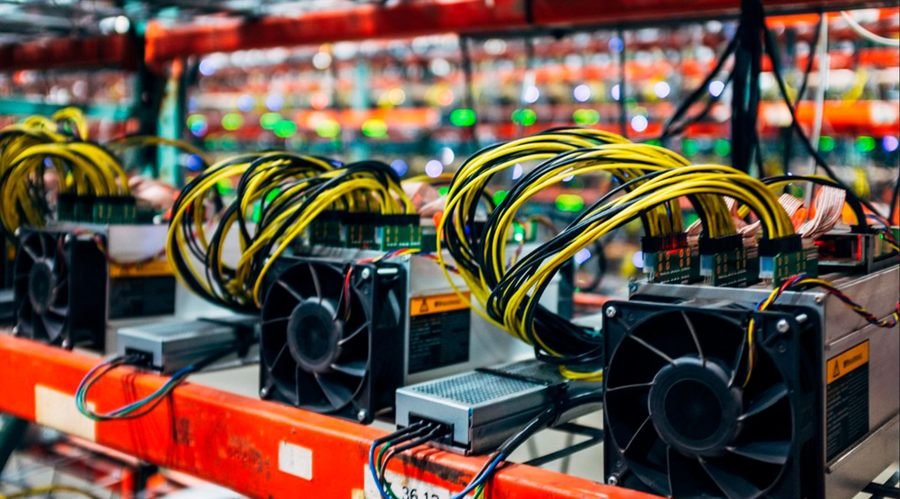
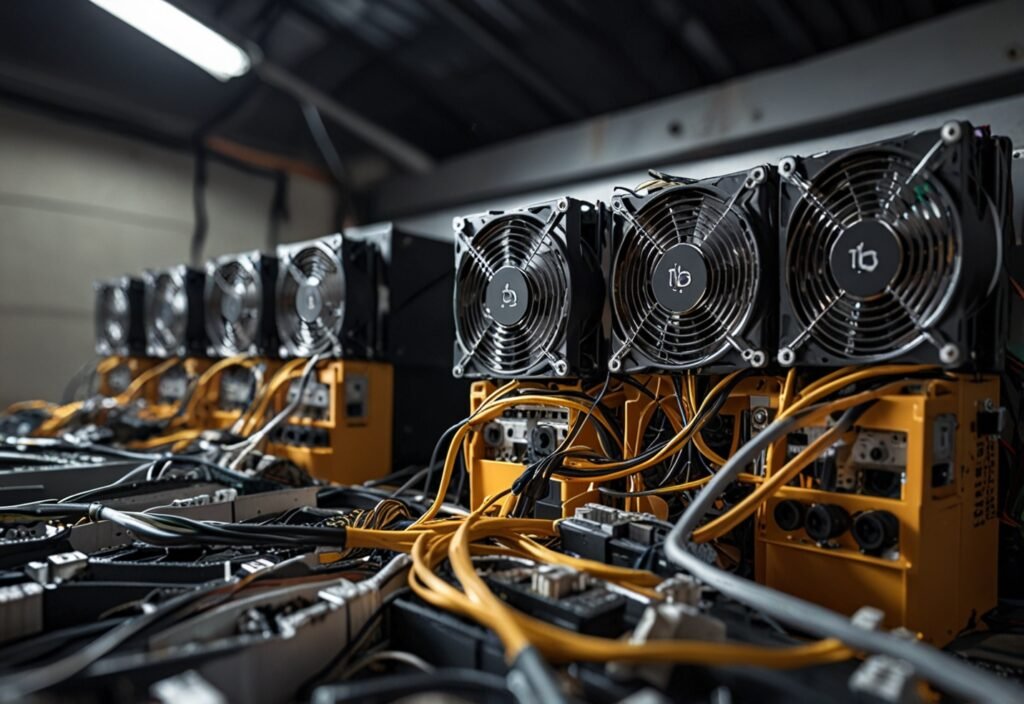
High-density mining racks push electrical systems close to their physical limits. A single rack may support dozens of ASICs drawing continuous power at near-maximum load. When cabling is underspecified, poorly terminated, or sourced from low-quality suppliers, resistance increases and heat accumulates.
This creates three immediate problems:
- Voltage drop across the rack
- Localized heat hotspots
- Accelerated connector degradation
Cable quality high density mining racks must account for sustained load, not theoretical maximums. Many failures occur not because of dramatic overloads, but because cables were never designed to operate continuously at 90–100% utilization.
Professional mining infrastructure treats cabling as a thermal and electrical system, not just a conduit.
How Cable Quality High Density Mining Racks Affect Uptime
Uptime is often blamed on firmware, pool connectivity, or cooling systems. In reality, cabling issues are one of the most common hidden causes of intermittent downtime.
Poor cable quality introduces micro-failures that are difficult to diagnose:
- ASICs randomly reboot
- Hashrate fluctuates without obvious cause
- Power supplies throttle under load
- Racks require frequent manual intervention
Because these symptoms mimic software or hardware issues, operators often replace miners or adjust firmware while the real problem remains unresolved.
Cable quality high density mining racks directly correlate with uptime consistency. Stable power delivery reduces PSU stress, minimizes thermal variance, and allows ASICs to operate within designed tolerances.
Fire Risk and Safety in High-Density Mining Environments
One of the most serious consequences of poor cabling is increased fire risk. High-resistance cables generate heat. In enclosed rack environments, this heat compounds with ambient temperatures from ASIC exhaust.
Substandard insulation, low-quality copper, and weak connectors increase the likelihood of:
- Melting insulation
- Connector arcing
- Cable jacket degradation
- Electrical shorts
Industrial mining facilities are built around risk minimization. This includes redundant cooling, fire suppression systems, and monitoring. However, none of these can compensate for poor cable quality at the rack level.
Cable quality high density mining racks must be designed with safety margins, not minimum compliance.
Why Cheap Cabling Becomes Expensive at Scale
Many miners underestimate cabling costs during expansion. When scaling from a few miners to full racks, the temptation to reduce upfront expenses often leads to inferior cabling choices.
This creates a false economy.
Cheap cables increase:
- Maintenance labor
- Replacement frequency
- Downtime events
- Insurance and compliance risk
At scale, even a 1% increase in downtime compounds into meaningful revenue loss. Worse, these losses are inconsistent and difficult to forecast, making ROI projections unreliable.
Professional operators understand that infrastructure costs are capital protection, not overhead.
The Relationship Between Cable Quality and Cooling Efficiency
Cooling systems are designed around predictable heat loads. When cables generate excess heat due to poor conductivity or improper sizing, they disrupt airflow patterns and create thermal anomalies inside racks.
These hotspots:
- Reduce cooling efficiency
- Force fans to run harder
- Increase overall power consumption
- Shorten ASIC lifespan
Cable quality high density mining racks directly influence cooling performance. Clean cable routing, proper gauge selection, and heat-resistant materials reduce thermal interference and improve airflow consistency.
In advanced facilities, cabling is designed alongside cooling, not after it.
Scaling Exposes Cable Weaknesses Faster Than Hardware Limits
Many mining setups appear stable at small scale. Problems emerge only after expansion. As racks fill and power density increases, marginal cable quality quickly becomes a bottleneck.
Scaling exposes:
- Connector fatigue
- Insulation wear
- Uneven load distribution
- Cable routing inefficiencies
This is why institutional miners plan cabling infrastructure before adding miners. Retrofitting cables after scaling is expensive, disruptive, and often requires downtime.
Bitmern Mining approaches scaling as an infrastructure problem first, hardware problem second.
How Bitmern Mining Approaches Cable Quality High Density Mining Racks
At Bitmern Mining, cable quality high density mining racks are treated as core infrastructure. Facilities are designed with industrial-grade cabling, certified connectors, and load-tested routing layouts.
This approach delivers:
- Higher sustained uptime
- Reduced maintenance events
- Lower long-term operational risk
- Predictable performance under scale
Bitmern facilities prioritize clean power delivery, thermal stability, and rack-level resilience. This allows both retail and institutional clients to scale without encountering the hidden failures common in improvised setups.
The Role of the Bitmern Shop in Infrastructure-First Scaling
The shop.bitmernmining.com platform supports this infrastructure-first philosophy by offering verified mining hardware designed for professional environments.
Clients can:
- Purchase ASICs suitable for high-density racks
- Choose between self-hosting or Bitmern-hosted deployment
- Avoid gray-market hardware with unknown power characteristics
- Scale in structured, supported increments
Hardware selection is inseparable from infrastructure design. The Bitmern Shop ensures that miners are deployed into environments that support long-term performance, not short-term experimentation.

Why Institutions Obsess Over Cabling and Retail Miners Often Ignore It
Institutional miners rarely discuss cabling publicly, but internally it is a major focus. This is because institutions optimize for:
- Long-term cash flow
- Predictable operations
- Risk minimization
Retail miners, by contrast, often focus on upfront ROI and visible metrics like hashrate. Cable quality high density mining racks sit below the surface, unnoticed until failure occurs.
The difference is not knowledge. It is operational discipline.
Cable Quality Is Infrastructure, Not an Accessory
Cable quality high density mining racks are not optional upgrades. They are foundational infrastructure. In modern Bitcoin mining, where margins are shaped by uptime, efficiency, and risk control, cabling determines whether a facility operates professionally or improvises indefinitely.
Mining profitability is not destroyed by dramatic failures. It is eroded by small inefficiencies repeated over time.
Bitmern Mining builds infrastructure for miners who understand that reality.