
Table of Contents
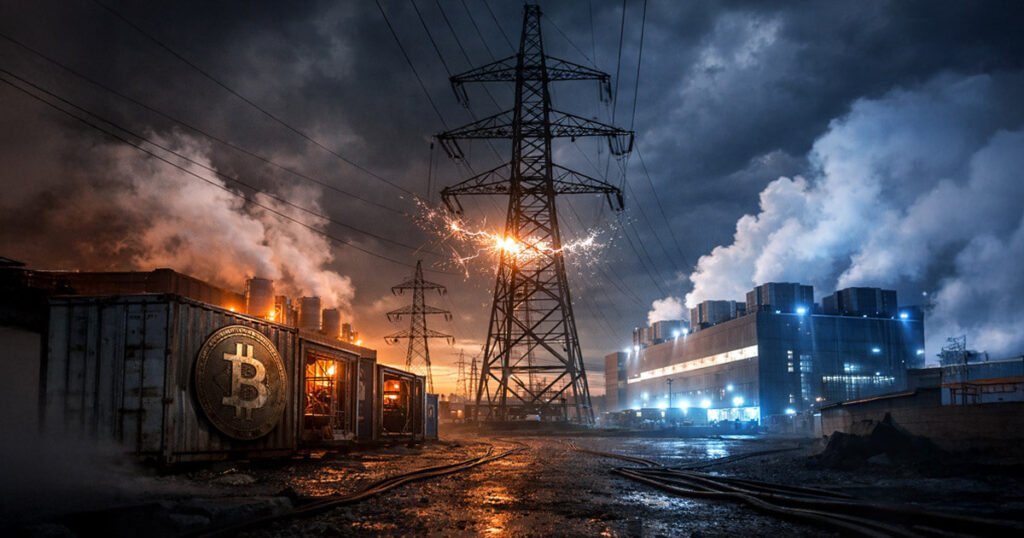
The expansion of energy rich nations bitcoin mining capacity is not a speculative trend. It is a structural development rooted in energy economics, grid dynamics, and capital allocation logic.
Around the world, countries with abundant hydropower, natural gas, geothermal energy, or overbuilt renewable infrastructure are integrating Bitcoin mining into their energy strategies. This is not happening through loud announcements or marketing campaigns. It is unfolding quietly, often embedded within broader energy or industrial policies.
The reason is simple: surplus energy needs monetization.
Bitcoin mining converts electricity into a globally liquid digital commodity. For energy-rich nations, that conversion solves real economic inefficiencies.
For mining fundamentals and global industry context:
https://bitcoin.org/en/bitcoin-paper
Surplus Energy Is an Economic Problem
Electricity is difficult to store at scale. While battery technology is improving, large-scale energy storage remains expensive and geographically constrained.
Energy-rich nations often face:
- Seasonal hydropower overproduction
- Stranded natural gas in remote regions
- Renewable curtailment due to transmission limits
- Grid oversupply during off-peak hours
When electricity cannot be consumed locally or transmitted profitably, it loses value.
Mining provides a flexible buyer of last resort.
This is the foundation of energy rich nations bitcoin mining capacity growth.
Bitcoin as an Energy Monetization Tool
Traditional energy exports require:
- Cross-border transmission infrastructure
- LNG conversion and shipping
- Political agreements
- Long-term trade contracts
Bitcoin mining requires:
- Electricity
- Hardware
- Internet connectivity
The output is Bitcoin, which can be:
- Held as reserve
- Sold in global markets
- Used in international settlements
Mining effectively turns local energy into a globally tradable asset without physical export.
For certain nations, this represents a strategic economic shift.
Hydropower Nations and Seasonal Overcapacity
Hydropower-heavy countries frequently experience seasonal imbalances.
During high rainfall periods:
- Reservoirs reach maximum capacity
- Turbine output increases
- Domestic demand does not match supply
Without sufficient export infrastructure, excess energy must be curtailed.
Mining absorbs this surplus.
Publicly documented cases such as Bhutan demonstrate how state-linked investment entities have leveraged hydropower for structured Bitcoin mining operations.
This is not speculative experimentation. It is energy optimization.
Natural Gas Producers and Stranded Resources
Gas-rich nations often struggle with stranded gas.
Remote extraction sites may lack:
- Pipeline infrastructure
- Local industrial demand
- Export capacity
In many cases, gas is flared.
Bitcoin mining deployed at or near extraction sites allows:
- On-site electricity generation
- Monetization of otherwise wasted gas
- Reduced flaring
This model has gained traction in North America and parts of the Middle East.
Energy rich nations bitcoin mining capacity often begins at the wellhead.
Renewable Energy Overbuild
Several regions have aggressively expanded renewable energy capacity.
However:
- Transmission infrastructure lags generation growth
- Wind and solar intermittency causes curtailment
- Negative pricing events occur
Bitcoin mining acts as a flexible load:
- It can scale up during oversupply
- It can power down during demand spikes
- It responds to price signals
This load flexibility improves renewable integration.
Mining is increasingly viewed as a grid balancing tool rather than purely a financial activity.
Sovereign-Level Participation
Some countries have publicly acknowledged state-linked mining operations.
Examples include:
- El Salvador integrating geothermal-powered mining within national infrastructure
- Bhutan using sovereign investment structures to develop mining projects
Other countries may not publicize their involvement but support mining indirectly through:
- State energy companies
- Infrastructure incentives
- Land or grid access agreements
Energy rich nations bitcoin mining capacity does not require public marketing. It requires economic alignment.
Why This Expansion Is Quiet
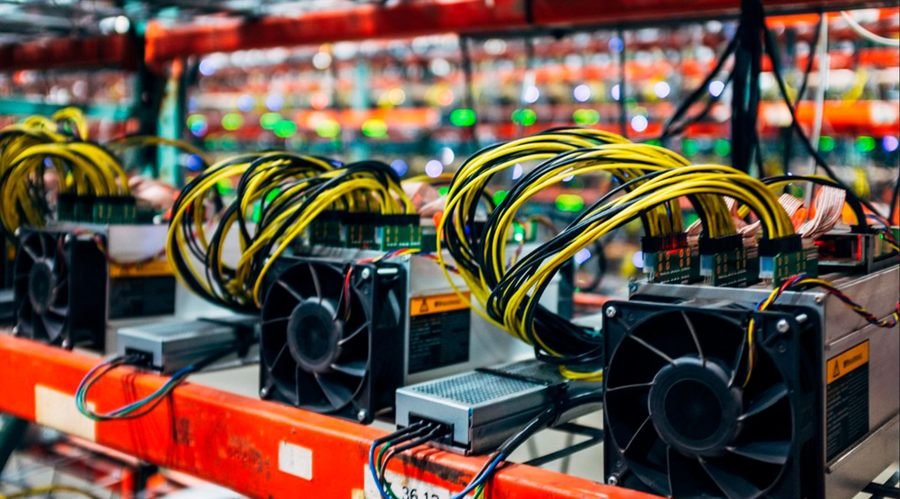
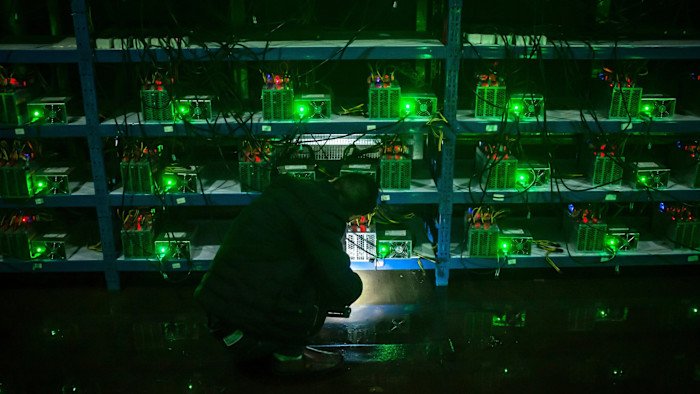
Bitcoin mining infrastructure resembles data center deployment.
It involves:
- Power contracts
- Cooling systems
- Network management
- Hardware procurement
Governments often treat it as an industrial project, not a political campaign.
Unlike retail crypto adoption, mining infrastructure operates behind the scenes.
This explains why the growth appears gradual and understated.
Mining and Energy Market Convergence
Bitcoin mining is increasingly influenced by power market dynamics.
Key variables include:
- Wholesale electricity pricing
- Long-term power purchase agreements
- Transmission constraints
- Demand response participation
Mining facilities compete for electricity in the same markets as:
- Industrial manufacturers
- Data centers
- Large-scale compute facilities
Energy rich nations bitcoin mining capacity is driven by competitive electricity economics.
Infrastructure Execution Determines Success
Energy abundance alone is not sufficient.
Mining capacity requires:
- High uptime
- Efficient cooling design
- Stable power distribution
- Firmware optimization
- Operational monitoring
Infrastructure weaknesses erode advantage quickly, even with cheap energy.
At Bitmern Mining, operational focus includes:
- Stable industrial hosting environments
- Energy-aligned deployment strategies
- Structured scaling rather than speculative expansion
More information: https://bitmernmining.com/
Hardware and Deployment Strategy
Hardware efficiency directly affects mining viability.
Deployment planning must consider:
- Energy cost per kWh
- Rack density
- Cooling capacity
- Power distribution stability
The Bitmern Shop supports structured acquisition of verified hardware aligned with professional hosting environments: https://shop.bitmernmining.com/
Mining capacity expansion must integrate hardware, infrastructure, and energy economics.

Mining Geography Is Energy Geography
As transmission bottlenecks persist globally, mining clusters near energy abundance.
Regions with:
- Low-cost hydro
- Gas reserves
- Geothermal resources
- Renewable overcapacity
naturally attract mining infrastructure.
Mining is location-flexible but energy-dependent.
Geography follows electricity.
Strategic Implications
If energy rich nations continue expanding bitcoin mining capacity:
- Hashrate distribution may diversify
- Sovereign exposure to BTC production may increase
- Energy-export dynamics may evolve
Mining becomes less retail-driven and more infrastructure-driven.
This shift favors disciplined operators over opportunistic entrants.
Long-Term Structural Trend
The expansion of energy rich nations bitcoin mining capacity is not driven by hype cycles.
It is driven by:
- Energy inefficiencies
- Grid optimization needs
- Capital discipline
- Digital commodity economics
As global power markets evolve, mining becomes a rational extension of energy strategy.
Final Perspective
Energy rich nations are quietly building mining capacity because the economics are logical.
Electricity that cannot be exported efficiently loses value.
Bitcoin mining converts that electricity into a liquid asset.
This conversion:
- Reduces waste
- Stabilizes grids
- Monetizes stranded resources
- Aligns energy and digital infrastructure
The expansion is not loud.
It is structural.
And structural shifts reshape industries more profoundly than headlines.