Table of Contents
Power market bitcoin mining is not a metaphor. It is the structural reality of how the industry functions. While Bitcoin itself exists in digital space, mining operates squarely inside physical energy markets. Hashrate is priced in kilowatt-hours before it is priced in BTC.
To understand mining correctly, one must reverse the common assumption. Bitcoin mining is not primarily a crypto business that uses electricity. It is an energy business that produces Bitcoin.
This distinction changes everything.
For mining fundamentals and global industry context:
https://bitcoin.org/en/bitcoin-paper
Mining Converts Energy Into a Digital Commodity
At its core, Bitcoin mining is a conversion process.
Electricity → computation → block validation → Bitcoin rewards.
The most important input is not hardware. It is power.
Without:
- access to reliable electricity
- stable grid connection
- predictable pricing
- favorable energy contracts
no mining operation survives, regardless of market hype.
This is why power market bitcoin mining defines the industry far more than crypto sentiment.
Electricity Cost Determines Profitability Before Price Does
Bitcoin price matters. But electricity cost determines whether mining remains viable through cycles.
If electricity costs:
- $0.12 per kWh, margins compress quickly.
- $0.06 per kWh, survivability improves.
- $0.03 per kWh or below, long-term resilience becomes possible.
Hashrate growth and difficulty adjustments amplify this reality.
During competitive phases, inefficient energy operators exit first. Not because they misunderstand crypto, but because they mispriced power.
Difficulty Adjustment Reinforces Energy Economics
Bitcoin’s difficulty adjustment ensures that block production remains stable even as hashrate rises.
When more miners enter:
- difficulty increases
- revenue per unit of hash declines
The only sustainable advantage becomes energy efficiency.
Hardware generations matter. But energy pricing and infrastructure alignment matter more.
This is why mining increasingly resembles industrial energy optimization rather than speculative crypto activity.
Mining Follows Energy Geography, Not Crypto Geography
If mining were primarily a crypto business, it would cluster around financial centers.
Instead, it clusters around:
- hydroelectric regions
- stranded natural gas
- excess wind generation
- geothermal sources
- underutilized grids
These are energy-driven decisions.
Operators do not choose jurisdictions for narrative reasons. They choose them for:
- grid stability
- transmission access
- regulatory clarity
- industrial energy pricing
Power market bitcoin mining explains global hashrate distribution better than any market cycle analysis.
Mining as Demand Response Infrastructure
Modern large-scale mining increasingly integrates with power grids as flexible load.
Mining farms can:
- power down during peak demand
- absorb excess generation during oversupply
- stabilize grid imbalances
- monetize curtailed energy
This makes mining functionally similar to industrial demand response facilities.
It is not just consuming electricity. It is participating in energy markets.
This reinforces the idea that mining is structurally embedded in the power sector.
Hardware Is Secondary to Power Structure
ASIC efficiency matters. But the same ASIC performs very differently depending on power context.
Two identical miners:
- One running on stable industrial power at $0.04/kWh
- One running on volatile retail contracts at $0.10/kWh
Have completely different economic profiles.
The power structure defines outcome.
This is why professional operators prioritize energy contract architecture before scaling hardware fleets.
Infrastructure Aligns Mining With Energy Markets
Power market bitcoin mining requires infrastructure capable of handling industrial loads.
This includes:
- substations
- transformers
- cooling systems
- distribution panels
- monitoring systems
- load balancing
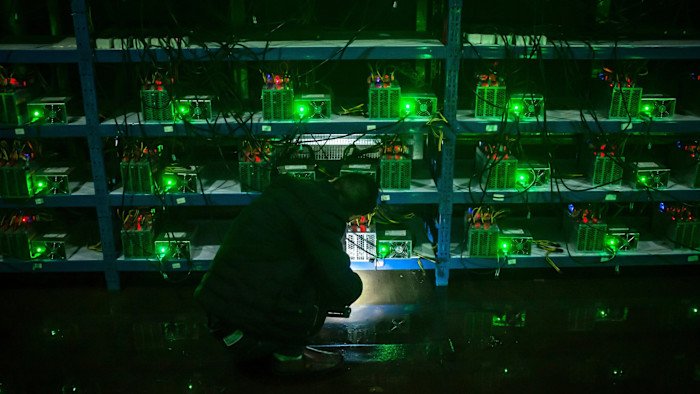
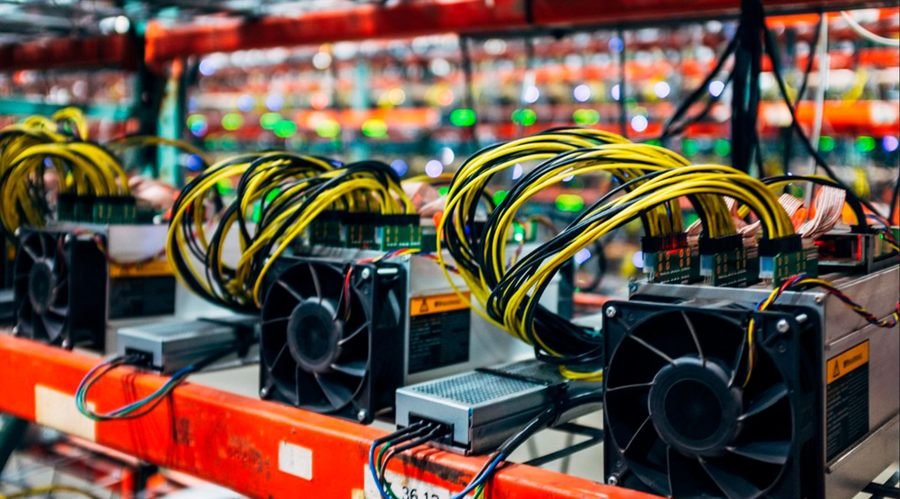
Mining farms resemble data centers tied directly to power infrastructure.
This operational alignment is not optional. It determines survival.
At Bitmern Mining, infrastructure design begins with energy stability and grid integration, not speculation.
Learn more here: https://bitmernmining.com/
Energy Arbitrage Is the Core Competitive Edge
Successful mining operations exploit energy asymmetry.
Examples include:
- stranded hydro in remote regions
- flare gas conversion
- seasonal oversupply
- grid imbalances
- renewable overproduction
Bitcoin acts as a global buyer of last resort for excess electricity.
That is not a crypto narrative. It is energy arbitrage.
The protocol simply provides the settlement layer.
Why Crypto Cycles Do Not Override Energy Reality
Bull markets attract attention. But energy contracts are long-term.
Operators signing 3–5 year power agreements do not renegotiate based on weekly volatility.
Mining economics are built around:
- cost per kWh
- capex amortization
- infrastructure lifespan
- long-term hashrate trends
Crypto sentiment fluctuates. Power agreements anchor the business.
This is why power market bitcoin mining is the correct framing.
Institutionalization Confirms the Energy Thesis
As mining professionalizes, it increasingly integrates with:
- utility-scale renewable projects
- energy developers
- infrastructure funds
- grid operators
Large-scale miners negotiate directly with power producers.
This mirrors industrial power consumers like aluminum smelters or data centers.
Bitcoin mining has entered that category.
The Role of Structured Hardware Procurement
While energy drives profitability, hardware selection must align with power strategy.
The Bitmern Shop provides hardware access aligned with structured deployment models, ensuring miners operate in environments suited to industrial energy frameworks.
Explore here: https://shop.bitmernmining.com/
Hardware alone does not create advantage. Energy alignment does.

Why This Perspective Matters for Investors
Investors who treat mining purely as crypto exposure misunderstand risk.
Mining risk is:
- energy contract risk
- regulatory energy policy risk
- infrastructure execution risk
- operational uptime risk
Crypto volatility is only one variable in a broader industrial equation.
Power market bitcoin mining reframes the risk profile correctly.
Mining’s Long-Term Position in the Energy Economy
As global grids transition toward:
- renewable integration
- decentralized generation
- fluctuating supply patterns
Mining’s flexible load characteristic becomes increasingly valuable.
Bitcoin mining provides:
- instant demand
- geographically mobile infrastructure
- programmable consumption
- settlement in a globally liquid asset
These attributes are energy-market aligned.
Final Perspective
Bitcoin mining may produce a digital asset, but it operates inside physical constraints.
Electricity is the primary input.
Infrastructure is the foundation.
Contracts define margins.
Difficulty enforces equilibrium.
Crypto sentiment is secondary.
Power market bitcoin mining is not a slogan. It is the structural truth of how the industry works.
Operators who understand this build around energy first and speculation second.
Those who do not eventually discover that mining is far less about predicting Bitcoin’s price and far more about negotiating kilowatt-hours.