
Table of Contents
Successful miners think in batches because Bitcoin mining is not a retail activity. It is an operational system where scale, timing, infrastructure readiness, and execution discipline matter more than the performance of any single machine. Mining one unit at a time feels flexible, but in practice it introduces inefficiencies that compound over time and quietly destroy returns.
This is one of the earliest mindset shifts that separates hobbyists from professionals. At Bitmern Mining, nearly every long-term profitable client eventually reaches the same conclusion: thinking in batches is not about spending more money faster. It is about reducing execution risk and aligning hardware, power, cooling, and cash flow into a system that scales predictably.
For mining fundamentals and global industry context:
https://bitcoin.org/en/bitcoin-paper
Units Create Noise. Batches Create Signal.
When miners buy one machine at a time, they tend to evaluate performance at the unit level. Hashrate per miner, power draw per machine, temperature per board. All of this data looks useful, but it hides the bigger picture.
Bitcoin mining profitability does not come from optimizing individual machines. It comes from optimizing systems.
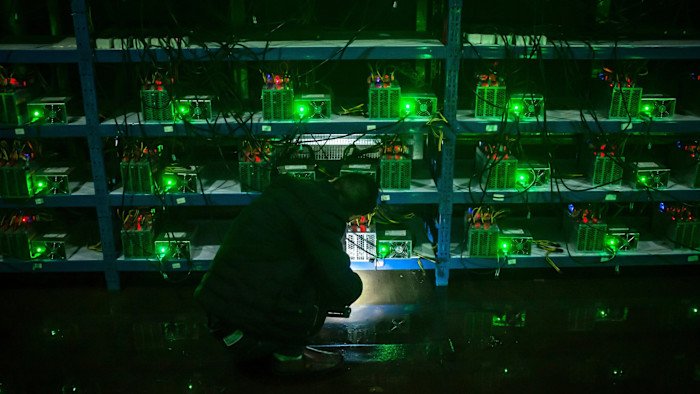
A single miner going offline is annoying. Ten miners going offline together exposes a real problem. Batches create visibility. They force infrastructure stress tests that reveal weaknesses early instead of letting them surface randomly over months.
This is why successful miners think in batches. They want to see how the system behaves under real load, not under laboratory conditions.
Infrastructure Is Built for Groups, Not Singles
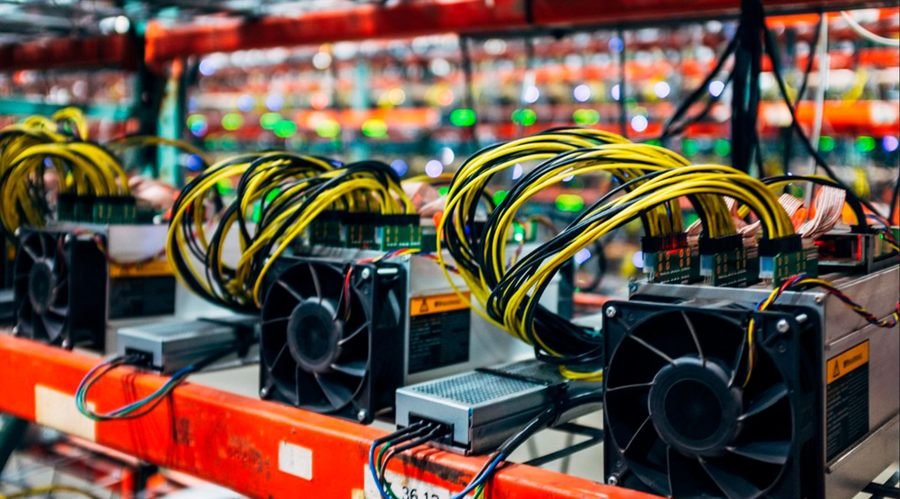
Power distribution, cooling airflow, network routing, and monitoring systems are not designed around single units. They are designed around groups of machines operating simultaneously.
When miners scale one unit at a time, infrastructure is constantly chasing hardware. Cabling gets messy. Power loads become uneven. Cooling paths turn inefficient. Small problems accumulate until they turn into downtime.
Batch-based deployment flips this relationship. Infrastructure is prepared first. Power is balanced. Cooling is modeled. Monitoring thresholds are set for group behavior, not individual exceptions.
At Bitmern Mining facilities, deployments are structured around batch logic precisely for this reason. It allows uptime to remain stable even as scale increases.
Batches Reduce Timing Risk
Timing is one of the most underestimated risks in mining.
Buying one miner today, another next month, and another after that spreads capital over time. That sounds safe, but it exposes miners to fluctuating hardware pricing, changing network difficulty, and inconsistent hosting conditions.
Batch purchases lock in variables.
Hardware pricing is negotiated at scale. Hosting terms are aligned. Deployment schedules are coordinated. The miner knows when capital is deployed and when production starts.
This predictability is critical for managing cash flow, especially post-halving environments where margins are tighter and execution mistakes are punished faster.
Operational Efficiency Improves Non-Linearly
There is a common misconception that efficiency scales linearly in mining. One miner equals X revenue, ten miners equal 10X.
In reality, operational efficiency improves non-linearly when miners think in batches.
Technicians service racks faster. Monitoring alerts become more meaningful. Firmware updates are rolled out consistently. Maintenance windows are planned instead of reactive.
The cost per unit of operation drops when systems are designed around groups instead of exceptions. This is one of the reasons institutional miners always deploy in batches, even when capital is not a constraint.
Batches Reveal True Hosting Quality
Hosting looks good when one miner runs smoothly. It becomes honest when twenty or fifty miners run simultaneously.
Batch deployment reveals:
- Power stability issues
- Cooling bottlenecks
- Network congestion
- Response times from support teams
- Maintenance discipline
This is where many miners realize that not all “industrial hosting” is actually industrial.
Bitmern Mining encourages clients to think in batches because it aligns expectations with reality. It forces transparency on both sides and creates long-term trust built on performance, not marketing.
Cash Flow Is Managed at the Batch Level
Bitcoin mining is a cash-flow business disguised as hardware ownership.
Electricity bills, hosting fees, and maintenance costs arrive as aggregates, not per unit. Revenue volatility also affects the entire operation, not individual miners in isolation.
Successful miners think in batches because it allows them to model cash flow realistically. They know what a batch produces at different price levels. They know break-even points. They know how much downside protection exists during drawdowns.
This mindset is essential for long-term survival, especially during periods of network stress or price volatility.
Scaling Mistakes Are Smaller When Batches Are Controlled
Scaling too fast is dangerous. Scaling randomly is worse.
Batch-based scaling allows miners to pause, evaluate, and adjust before committing more capital. Each batch becomes a learning cycle.
What worked.
What didn’t.
Where margins tightened.
Where uptime suffered.
This feedback loop is impossible when scaling one unit at a time with no clear milestones.
At Bitmern Mining, scaling plans are built around batch logic precisely to avoid irreversible mistakes that come from unstructured growth.
Why the Bitmern Shop Is Built Around Batch Thinking
The Bitmern Shop is designed for miners who already understand that scaling is a system problem, not a shopping problem.
By offering verified hardware, structured hosting options, and batch-friendly procurement, the shop supports disciplined growth instead of impulse purchases. Clients can align hardware acquisition with hosting capacity and deployment timelines instead of reacting emotionally to short-term market moves.

This approach reduces friction, lowers risk, and improves long-term outcomes.
Units Are Easy. Systems Are Profitable.
Buying one miner feels productive. Designing a system feels slow.
But Bitcoin mining rewards systems, not impulses.
Successful miners think in batches because they understand that mining is not about individual machines. It is about execution quality across power, cooling, deployment, and cash flow over time.
This is the difference between miners who survive cycles and those who disappear after one bad quarter.